
Paper task cards and digital task cards: what changes for certifying staff
Moving task cards onto a tablet changes more than the format. Here is what it means for technicians, inspectors and certifying staff on the floor.
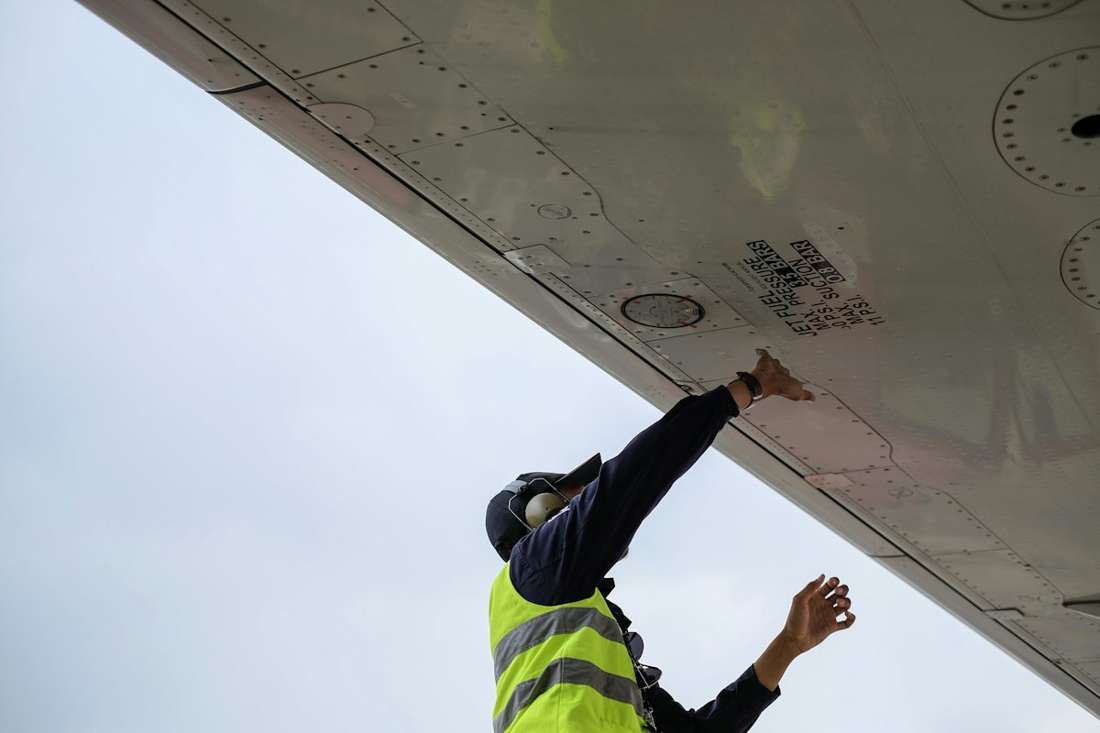
- Digital cards change how work is recorded, not who is responsible for it.
- Readings, authorisations and independent inspections are checked as the work is signed.
- The biggest gain comes after signature, when the record updates immediately.
The paper task card has served aviation maintenance for decades. It is simple, it works without power and everyone knows how to use it. So why are so many maintenance organisations moving to digital cards?
Paper records the work well but shares it badly. Once a card is signed, the information on it is locked in a folder until someone types it into a system, if they do at all.
What stays the same
The core of the job does not change. Technicians still follow the steps, take the readings and sign for the work they perform. Inspectors still inspect. Certifying staff still decide whether the aircraft can be released. Digital cards are a different way of recording the same responsibilities, not a change to them.
For technicians
The card comes to the aircraft. The technician opens the card on a tablet at the aircraft, with the steps, references and limits in front of them. There is no trip back to an office to collect the next card.
Readings are checked as they are entered. If a measurement falls outside the limits stated on the card, the system flags it immediately. The technician knows before signing that something needs attention.
Photos and findings go straight onto the record. A finding can be raised from the card with photos attached, instead of being written up separately later. The planner and, where relevant, the customer see it within minutes.
Parts and hours are booked as the work is done. Requests go to stores from the card, and hours are booked against it, so nothing has to be reconstructed at the end of the shift.
For inspectors and certifying staff
Independent inspections are enforced. Where a step requires a duplicate or independent inspection, the card cannot be closed until a suitably authorised person has signed it. The rule is built into the card rather than relying on someone noticing.
Authorisation is checked at signature. When a person signs, the system checks their licence, type ratings, scope and expiry. If they are not authorised for that task, they cannot sign it.
Open items are visible before release. Before issuing a certificate of release, certifying staff can see all open cards, deferred defect and part without valid paperwork on one screen, instead of leafing through a stack of cards to find the one that was missed.
Common concerns
What if the network goes down? A well designed system lets technicians keep working offline and synchronises when the connection returns. Nobody should be stopped from working because of Wi-Fi in a hangar.
Will the authority accept electronic signatures? Authorities approve organisations and their procedures. Electronic signatures are widely accepted when the organisation describes how they work in its exposition, including how identity is verified and how records are protected.
Will experienced technicians adopt it? Adoption depends on design. If the digital card is slower or more complicated than paper, people will resist it, and they will be right to. If it removes walking, retyping and chasing, people tend to prefer it within weeks.
The benefit after sign off
The biggest change comes after the card is signed. The work is on the record immediately: component times update, compliance status updates, the invoice can be built from what was done, and the next team in the chain does not have to wait for the paperwork to catch up.
For certifying staff, that means more time spent on the judgement that only they can make, and less time spent hunting for evidence that the work was done.
Measures worth tracking
These measures help you see whether the approach is working. Track the trend over several months rather than reacting to a single figure.
More insights
Where AI helps in aircraft maintenance, and where it should not
AI is good at reading, sorting and spotting patterns. Airworthiness decisions still belong to qualified people. A practical view of where the line sits.
Read article
What technicians actually need from a mobile maintenance app
A tablet at the aircraft only helps if it is faster than paper. What matters to technicians, and what to test before you choose.
Read article
Working offline: keeping task cards moving where Wi-Fi does not reach
Hangars, ramps and outstations rarely have perfect coverage. How to plan for offline work so records stay complete and nobody waits for a signal.
Read article