
Where MROs lose hours between the hangar and stores
Most check delays are not caused by the work itself. They start in the gap between the people doing the work and the people supplying the parts.
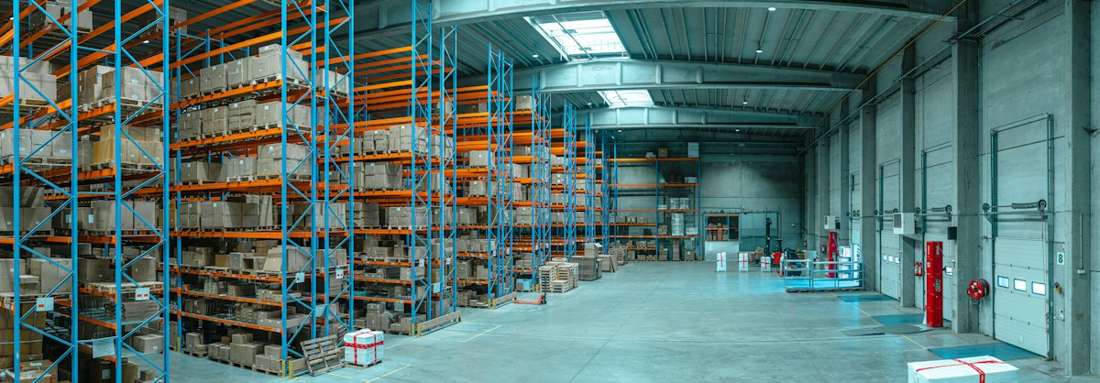
- Most check delays come from waiting for parts, tools and paperwork, not from the work itself.
- Checking parts at planning time costs a phone call. Finding the gap at the aircraft costs a shift.
- When the hangar and stores share one record, information stops travelling by foot.
Ask a hangar manager where a heavy check loses time and the answer is rarely the inspection itself. Technicians know the work. What slows a check down is waiting: for a part that was assumed to be in stock, for a tool that is out for calibration, for a certificate that has not arrived with the component.
These delays are small on their own. A technician walks to stores and finds the part has not been received. A planner calls a supplier to chase a release certificate. A shift ends with a card half finished because the next step needs a part that is still in quarantine. Across a nine day check, those small gaps add up to days.
The problem is visibility, not effort
In most maintenance organisations, the hangar and stores work hard and work well. They often work from different information, though. The work package lives in one system or spreadsheet. Stock lives in another. Certificates sit in a folder or an inbox. Each team has an accurate picture of its own area and an incomplete picture of everyone else's.
So the hangar plans as if parts will be there, and stores reacts when someone asks. People are doing their jobs properly. The information does not move until a person moves it.
Where the hours actually go
When maintenance teams map a typical check, the same patterns come up again and again.
- Parts confirmed too late. The package is released to the hangar before anyone has checked that the required parts are physically available and serviceable.
- Paperwork that lags the part. A component arrives, but its release certificate does not match the order, so it waits in quarantine while someone sorts it out.
- Tools that are not where they should be. A torque wrench or test set is out for calibration, and the task waits until a replacement is found.
- Requests made by walking. A technician raises a parts request in person or by phone, and it is not recorded anywhere until stores picks it up.
- Non routine work discovered mid check. A finding needs a part nobody planned for, and the clock starts from zero.
Closing the gap
Asking people to work faster rarely helps. Giving the hangar and stores the same picture at the same time does.
Check parts at planning time, not on day two. When a planner builds a work package, the system should show straight away which parts are reserved, which are short and which are on order with an expected date. A shortage found during planning costs a phone call. The same shortage found at the aircraft costs a shift.
Kit before the check starts. For predictable tasks, stores can kit parts and consumables by task card before the aircraft arrives. Technicians start work with what they need rather than queuing at the counter.
Make requests visible the moment they are raised. When a technician raises a request from the task card on a tablet, stores sees it immediately, with the card number, the aircraft and the urgency. No one has to walk to the counter to find out what is needed.
Check certificates on arrival. Matching the release certificate to the order at goods in, rather than at the point of issue, catches problems while there is still time to fix them.
Block uncalibrated tools at issue. If the tooling register knows a tool is out of calibration, it should not be possible to book it to a card. That prevents both the delay and the finding at the next audit.
How the working day changes
When the hangar and stores share one record, conversations change. The planner can see whether a part has arrived without asking. Stores can see what was booked to each card without chasing a technician. Quality sees a part with invalid paperwork on arrival, not on the last day of the check.
Good people are still needed. They just spend less of the day carrying information from one place to another.
Where to start
If you want to measure the problem before solving it, track three numbers for your next few checks: how many parts requests were raised during the check rather than before it, how many parts waited in quarantine for paperwork, and how many hours technicians recorded as waiting. Those three numbers usually make the case on their own.
Measures worth tracking
These measures help you see whether the approach is working. Track the trend over several months rather than reacting to a single figure.
More insights
Where AI helps in aircraft maintenance, and where it should not
AI is good at reading, sorting and spotting patterns. Airworthiness decisions still belong to qualified people. A practical view of where the line sits.
Read article
What technicians actually need from a mobile maintenance app
A tablet at the aircraft only helps if it is faster than paper. What matters to technicians, and what to test before you choose.
Read article
Working offline: keeping task cards moving where Wi-Fi does not reach
Hangars, ramps and outstations rarely have perfect coverage. How to plan for offline work so records stay complete and nobody waits for a signal.
Read article