
Rotables, pools and exchanges: keeping track of serialised parts
Serialised components move between aircraft, stores, repair shops and partners. A guide to keeping their history and status straight.
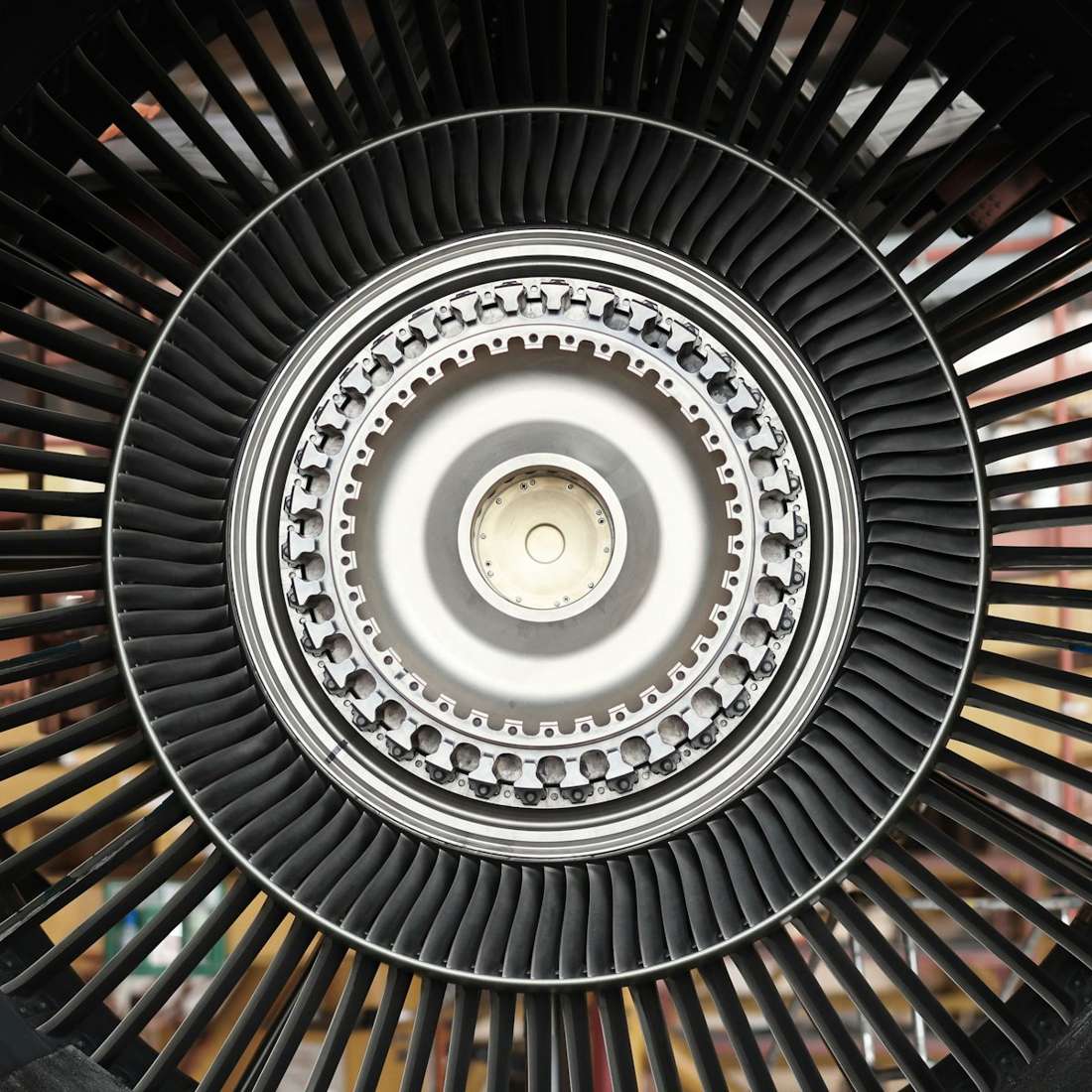
- A rotable’s history travels with its serial number, not the aircraft.
- Ownership and location are different things. Track both.
- Overdue repairs and pool returns need a weekly review.
Rotable components are among the most valuable items an operator or MRO manages. A single landing gear assembly, starter or avionics unit can be worth more than a year of consumables. They also move around more than almost anything else: fitted to an aircraft, removed, sent for repair, returned, loaned to a partner, exchanged with a supplier.
Each of those movements has to be recorded accurately, because the history of the unit determines whether it can be fitted again.
What makes rotables hard to track
They change hands. A unit may be owned by you, by a pool provider or by a lessor, and may be on loan to someone else entirely. Ownership and location are not the same thing.
They carry history. Time since new, time since overhaul, cycles and life limits travel with the serial number, not with the aircraft. When a unit moves, its history has to move with it.
They spend time away. Units out for repair can be gone for weeks. If nobody is tracking the repair order, they are easily forgotten until the replacement is needed.
Paperwork has to match. Each return from repair comes with a release certificate that must match the unit's part and serial number, and its condition must be recorded correctly.
The core records
For each serialised unit, a good system keeps:
- part number, serial number and description
- current location: fitted to an aircraft, in which store, at which repair shop, or on loan
- ownership: owned, pooled, leased or consigned
- time and cycles since new and since last shop visit, with life limits where applicable
- a full history of fitments, removals, repairs and transfers, with the reason for each
- the release certificate for the current condition
Pools and exchanges
Pool agreements give an operator access to serviceable units without owning a full spares stock. Exchanges let an operator swap an unserviceable unit for a serviceable one rather than waiting for repair.
Both arrangements create obligations: units must be returned within agreed times, in an agreed condition, often with charges for late returns or units beyond economic repair. Tracking those dates and conditions is as important as tracking the units themselves.
Robbery and cannibalisation
When a part is removed from one aircraft to return another to service, it must be recorded on both aircraft, and a replacement must be raised for the aircraft that donated the part. Without a clear record, robbed parts become one of the most common sources of configuration errors.
Repair orders
Each unit sent for repair should have a repair order with an expected return date, the vendor and the quoted cost. A weekly view of overdue repairs catches units that have gone missing in the supply chain. Warranty status should be checked before a unit is sent, because a failure under warranty is a claim, not a cost.
Practical tips
- Record removals at the aircraft, at the time, with the reason. Reconstructing removals later is where errors start.
- Check the release certificate against the unit before it goes back into serviceable stock, not when it is about to be fitted.
- Review pool and loan return dates weekly.
- Keep consigned and customer owned stock clearly separate from your own.
- Use removal data for reliability: units that keep coming back early are telling you something.
Rotables reward discipline. When their location, ownership and history are always current, they keep aircraft flying. When they are not, they become the most expensive mystery in the hangar.
Measures worth tracking
These measures help you see whether the approach is working. Track the trend over several months rather than reacting to a single figure.
More insights
Where AI helps in aircraft maintenance, and where it should not
AI is good at reading, sorting and spotting patterns. Airworthiness decisions still belong to qualified people. A practical view of where the line sits.
Read article
What technicians actually need from a mobile maintenance app
A tablet at the aircraft only helps if it is faster than paper. What matters to technicians, and what to test before you choose.
Read article
Working offline: keeping task cards moving where Wi-Fi does not reach
Hangars, ramps and outstations rarely have perfect coverage. How to plan for offline work so records stay complete and nobody waits for a signal.
Read article