
Where AI helps in aircraft maintenance, and where it should not
AI is good at reading, sorting and spotting patterns. Airworthiness decisions still belong to qualified people. A practical view of where the line sits.
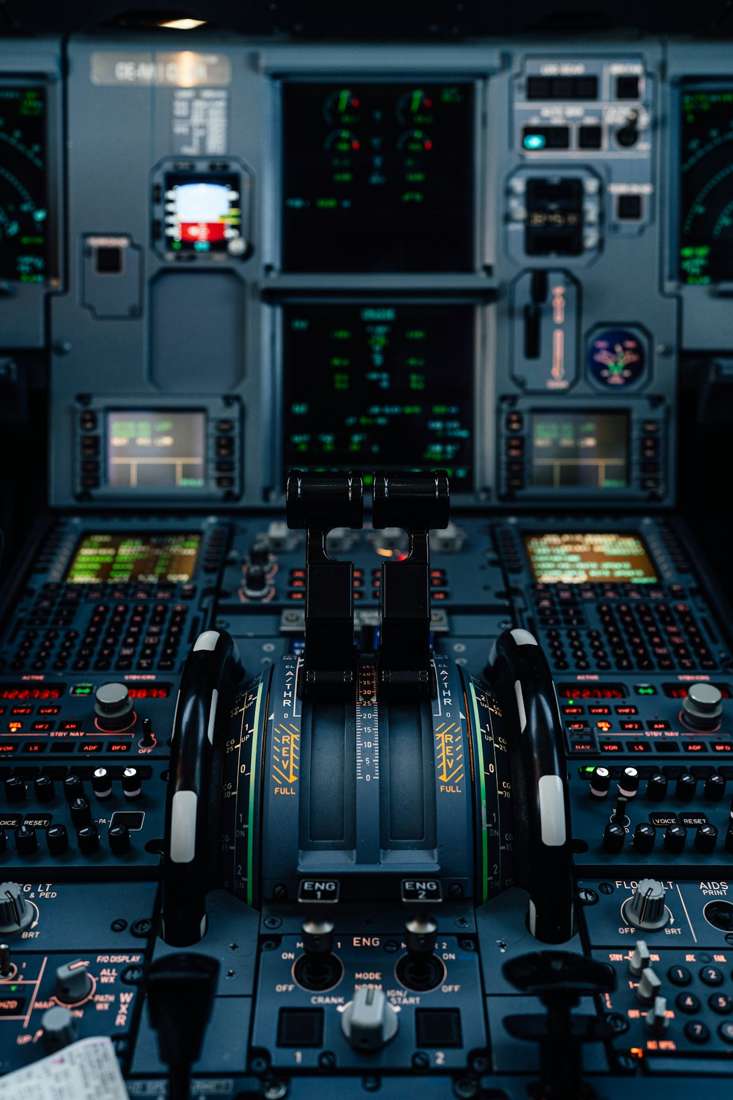
- AI is most useful for reading documents and finding patterns that people do not have time to look for.
- A suggestion should always show its source so the engineer can check it in seconds.
- Nothing should change in the aircraft record until a named, authorised person approves it.
Most software vendors now say its product uses AI. In aviation maintenance that claim deserves a careful look, because the record we keep is the evidence that an aircraft is fit to fly. So the useful test for any AI feature is practical: does it save qualified people time without weakening the controls that keep aircraft safe?
After many conversations with planners, CAMO engineers and certifying staff, our view is simple. AI is very good at some jobs in maintenance and should not be trusted with others.
Where it helps
Reading long documents. Airworthiness directives, service bulletins and component maintenance manuals are long and dense. AI can read a new directive, pick out the applicability, the compliance times and the affected part or serial numbers, and lay them out for an engineer to review. The engineer still decides. They start from a draft instead of a blank page.
Turning free text into structured records. Technicians describe defects in their own words. AI can suggest the ATA chapter, a possible MEL item and similar past defects on the fleet. This makes records more consistent and makes later searches far more useful.
Checking paperwork on arrival. When a part arrives with a release certificate, AI can compare the part number, serial number and quantity against the purchase order and flag a mismatch before the part goes onto the shelf.
Finding patterns. Repeat defects, rising removal rates on a component or a station that raises more deferrals than others are easy to miss in daily work. AI can surface them early so the reliability team can decide whether they matter.
Digitising old records. Scanned task cards, logbooks and certificates can be read into searchable records, with low confidence entries highlighted for a person to check.
Where it should not decide
AI should not decide whether a directive applies, whether a defect can be deferred, whether a part is serviceable or whether an aircraft can be released. These are judgements that carry legal responsibility, and that responsibility sits with authorised people under your approval.
It is also a poor fit where the cost of a quiet error is high and the error is hard to spot. A model that is right ninety eight times out of a hundred is useful for drafting. It is not acceptable as the final word on airworthiness.
What good AI looks like in practice
- It shows its source. Each suggestion links to the paragraph, page or record it came from, so the engineer can check it in seconds.
- It drafts, people approve. The suggestion sits in a review queue. Nothing changes in the record until an authorised person accepts, edits or rejects it.
- It records who decided. The audit trail shows the suggestion, the source, the person who approved it and when.
- It says when it is unsure. Low confidence results are marked clearly rather than presented with false certainty.
- It can be switched off. Teams should be able to work without it, and quality managers should be able to limit where it is used.
Questions to ask before you use it
Ask your vendor what data the model was given, where your data is processed, whether your records are used to train anything, and how suggestions are tested before release. Ask how your exposition should describe the tool and who is responsible for checking its output. A vendor who cannot answer these questions clearly is not ready for a regulated environment.
The benefit for engineers
AI does not replace engineers. Where it is set up carefully, they spend less of the day copying, searching and retyping, and more of it on the judgements only they can make. The record also becomes more consistent, which helps planners, quality staff and auditors later.
Measures worth tracking
These measures help you see whether the approach is working. Track the trend over several months rather than reacting to a single figure.
More insights
What technicians actually need from a mobile maintenance app
A tablet at the aircraft only helps if it is faster than paper. What matters to technicians, and what to test before you choose.
Read article
Working offline: keeping task cards moving where Wi-Fi does not reach
Hangars, ramps and outstations rarely have perfect coverage. How to plan for offline work so records stay complete and nobody waits for a signal.
Read article
Where MROs lose hours between the hangar and stores
Most check delays are not caused by the work itself. They start in the gap between the people doing the work and the people supplying the parts.
Read article