
What technicians actually need from a mobile maintenance app
A tablet at the aircraft only helps if it is faster than paper. What matters to technicians, and what to test before you choose.
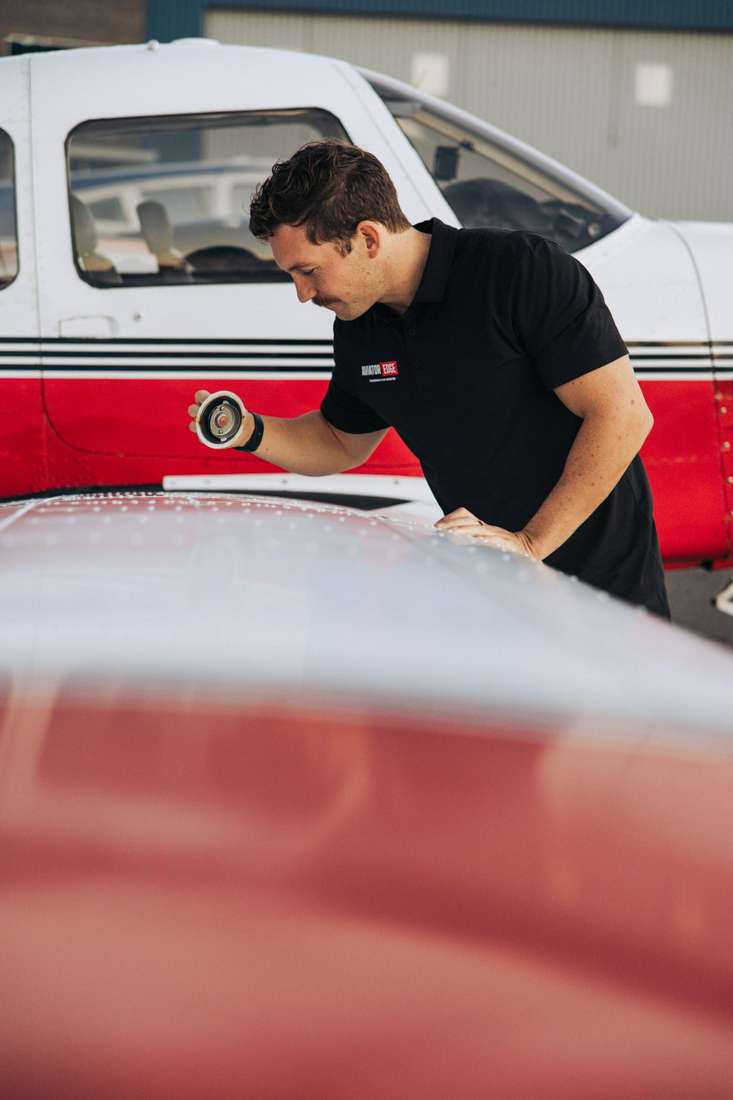
- If the app is slower than paper at the aircraft, technicians will go back to paper.
- Readings should be checked against limits the moment they are entered.
- Test the app on the hangar floor with gloves, poor light and weak Wi-Fi, not in a meeting room.
Most maintenance organisations that move to digital task cards make the same discovery. The success of the project depends less on the back office system and more on what happens in the technician's hands at the aircraft. If the app is awkward, slow or unreliable, people go back to paper and type it in later.
Below is what technicians tell us matters most, and what to test before you commit.
Speed at the aircraft
A technician on a stand, often wearing gloves, needs to open the right card in seconds. That means finding work by aircraft, work package or a scanned barcode, not by navigating menus. Large touch targets, clear text and a layout that works in one hand matter more than visual polish.
Readings checked as they are entered
When a technician enters a tyre pressure, a brake wear measurement or a torque value, the app should check it against the limit straight away and say clearly if it is out of range. Catching an error at the aircraft is far cheaper than catching it at the certifying review, or at an audit.
Photos where they are useful
A photo of a finding is worth a paragraph of description. The app should make it easy to attach photos to a step or a non routine card, with the photo stored against the record rather than in someone's phone gallery.
Signatures that respect authorisations
A technician should only be able to sign for work they are authorised to perform, and the app should enforce that rather than rely on memory. Independent inspections and duplicate inspections should be impossible to skip. Signing should be quick, but it should never be casual.
Parts and tools without walking
Raising a parts request from the card, with the aircraft and card number attached, saves trips to the stores counter. The same goes for booking a calibrated tool. If the tool is out of calibration, the app should say so before it is used.
Working without a connection
Hangars, ramps and outstations rarely have perfect Wi-Fi. The app should keep working offline and synchronise when a connection returns, without losing entries or creating duplicates. Ask how conflicts are handled if two people edit the same card.
Shift handover built in
At the end of a shift, open steps, notes and photos should pass to the next team without a separate handover sheet. The incoming technician should see exactly where the work stopped.
How to test it properly
- Run a trial on the hangar floor, not in a meeting room, with real cards from your own maintenance programme.
- Ask technicians to use it with gloves, under poor lighting and on a stand.
- Switch off the Wi-Fi halfway through a task and see what happens.
- Time a common task on paper and on the tablet. If the tablet is slower, find out why before you buy.
- Ask certifying staff to review the completed card and say whether they would sign it.
Involve the people who will use it
The fastest way to a successful rollout is to involve a few experienced technicians early and act on what they say. They will spot problems no project manager would see, and their support will carry the rest of the team.
Measures worth tracking
These measures help you see whether the approach is working. Track the trend over several months rather than reacting to a single figure.
More insights
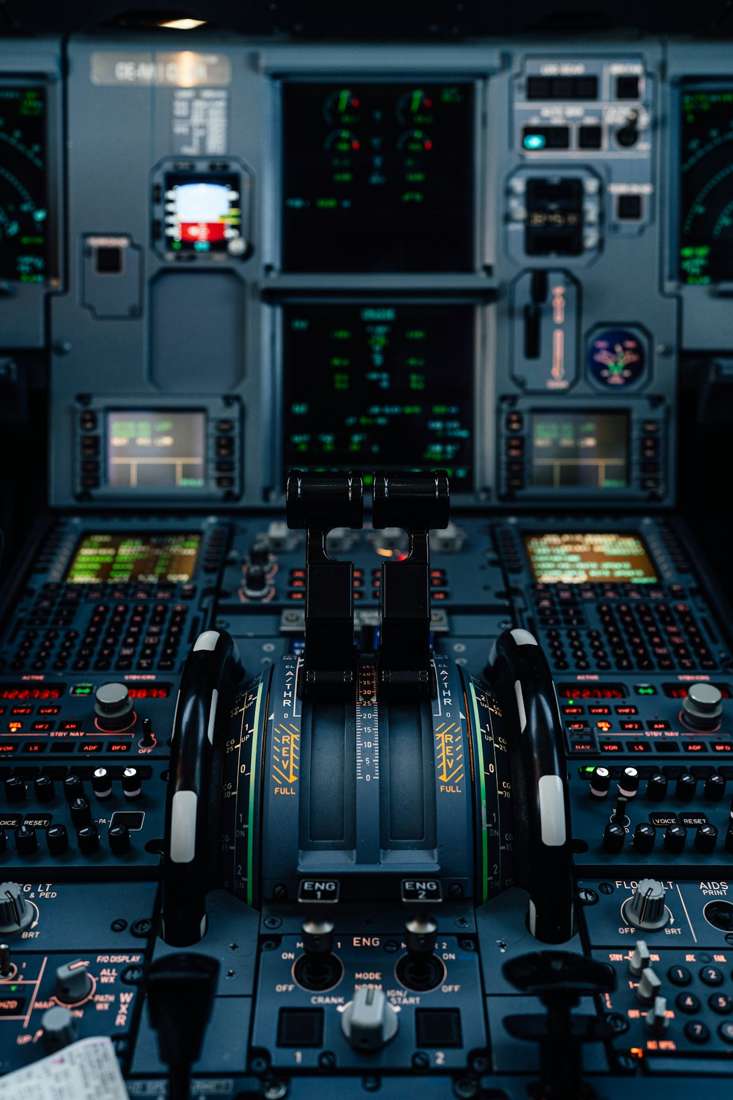
Where AI helps in aircraft maintenance, and where it should not
AI is good at reading, sorting and spotting patterns. Airworthiness decisions still belong to qualified people. A practical view of where the line sits.
Read article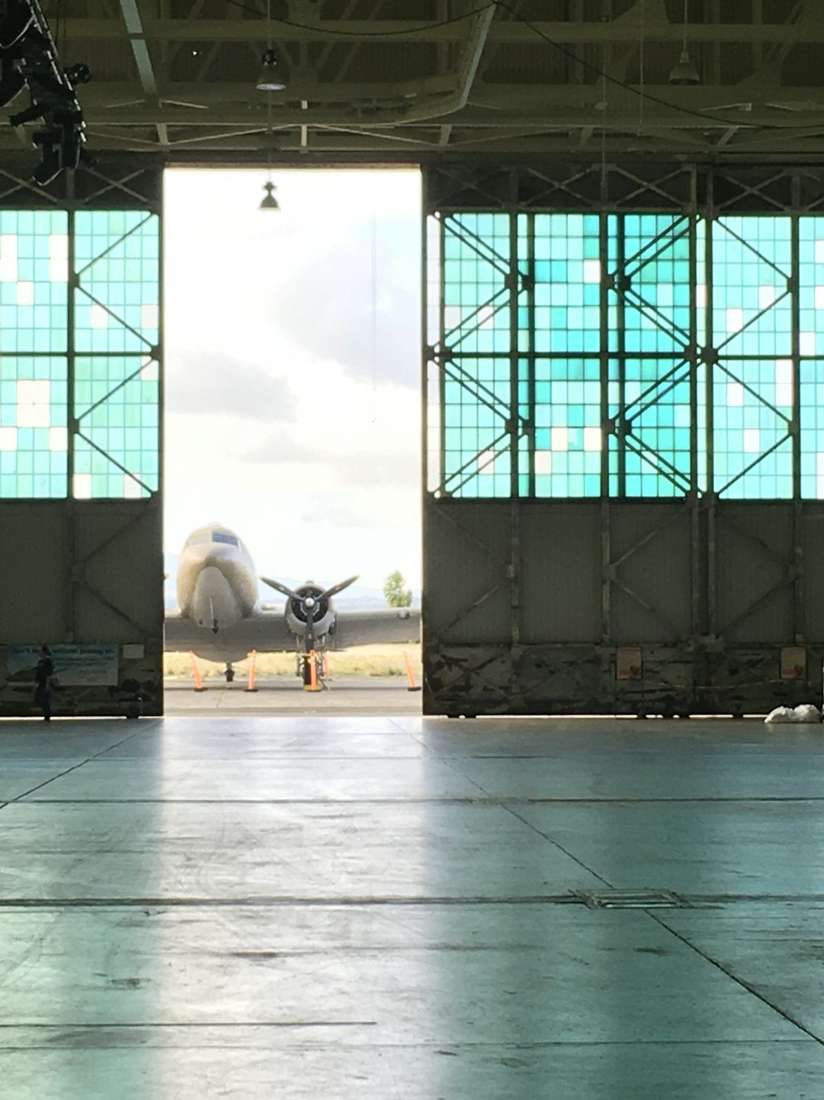
Working offline: keeping task cards moving where Wi-Fi does not reach
Hangars, ramps and outstations rarely have perfect coverage. How to plan for offline work so records stay complete and nobody waits for a signal.
Read article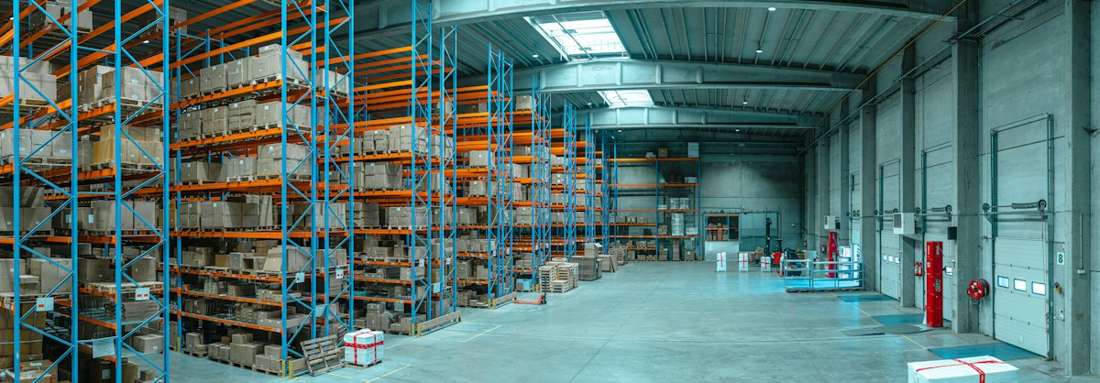
Where MROs lose hours between the hangar and stores
Most check delays are not caused by the work itself. They start in the gap between the people doing the work and the people supplying the parts.
Read article